Jesse knows what to do
So many people, so many wishes. And that also applies to the way people design their sustainable energy setup. Today, our installer Jesse is visiting Wellness Wilma. Her family and friends call her that because she spends hours in her home spa almost every evening. Wilma has a jacuzzi, a tanning bed and an infrared sauna:
“All absolutely essential for my wellness routine, right?”
Wellness Wilma doesn’t (yet) have solar panels. But her monthly energy bill has been steadily increasing, and by now she’s had… well, enough of it.
That’s why she has a few concrete questions for Jesse:
- How can I reduce my energy bill?
- Does it still make sense for me to invest in solar panels?
- And how useful would a battery be in my situation?
We’ll show you why Wellness Wilma is best off switching to a dynamic energy tariff, and what a home battery could mean for her.
Step 1: Modelling energy consumption
When we look at how Wilma uses her wellness facilities, one thing becomes clear very quickly. Every evening, when she gets home from work around 5:00 p.m., she turns on her jacuzzi (“just relaxing and shaking off the day a bit, you know”). About an hour later it’s warm enough, she gets in, and doesn’t come out again until around 9:00 p.m. (“by then I look like a wrinkled earthworm, totally worth it”).
These are very expensive energy hours: in the evening, after dinner, everyone in the country is home, running the dishwasher and watching TV.
Wilma’s total annual electricity consumption is 5,500 kWh. A whopping 1,500 kWh of that is used by the jacuzzi alone!
Step 2: Calculating different scenarios
To advise Wilma properly, Jesse calculates several scenarios. In scenario 2a, he looks at what happens if she installs solar panels only. Scenario 2b shows the impact of combining solar panels with a home battery, while scenario 2c illustrates the situation if Wilma were to install only a home battery.
2a: Solar panels
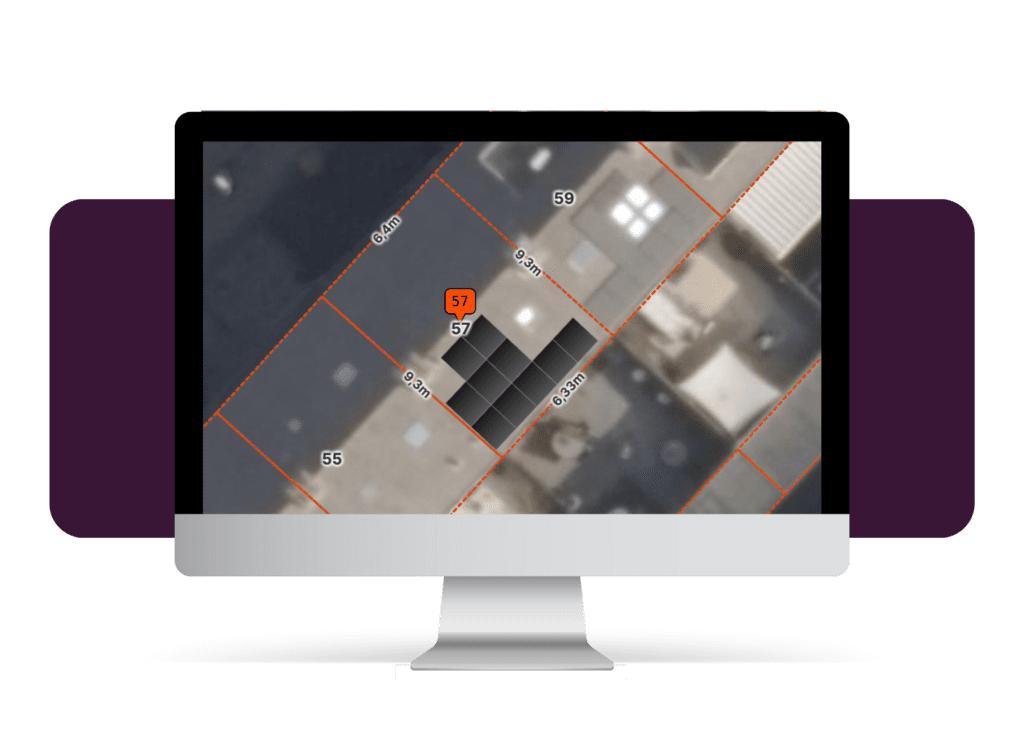
In this scenario, Wellness Wilma installs 10 solar panels on her roof. The total annual yield would be around 4,000 kWh, which is enough to cover a large part of her energy consumption over the year.
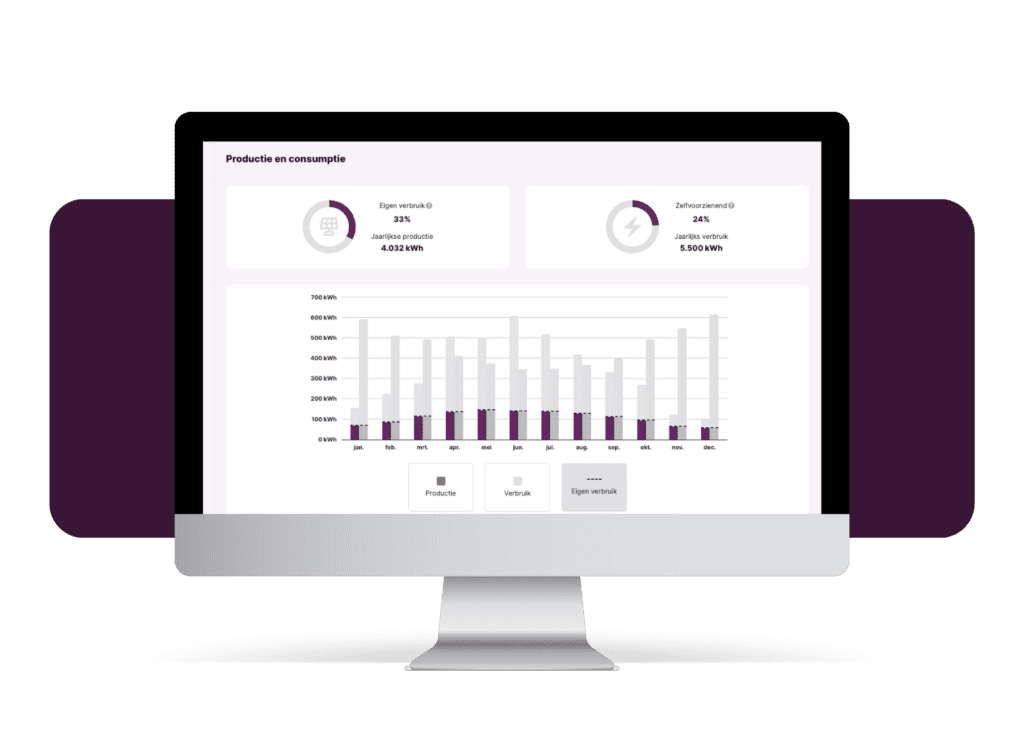
These panels generate around €672 per year. With an investment of approximately €5,000, this is still very worthwhile, even after net metering ends. However, despite the 4,000 kWh annual yield, self-consumption is only 33%. Not exactly impressive.
(*) We assume that after net metering is abolished in 2027, there will be no feed-in compensation. This is uncertain, but if Wilma switches to a dynamic tariff, there will be no feed-in penalties anyway, which is exactly what we’ll recommend later together with the battery.
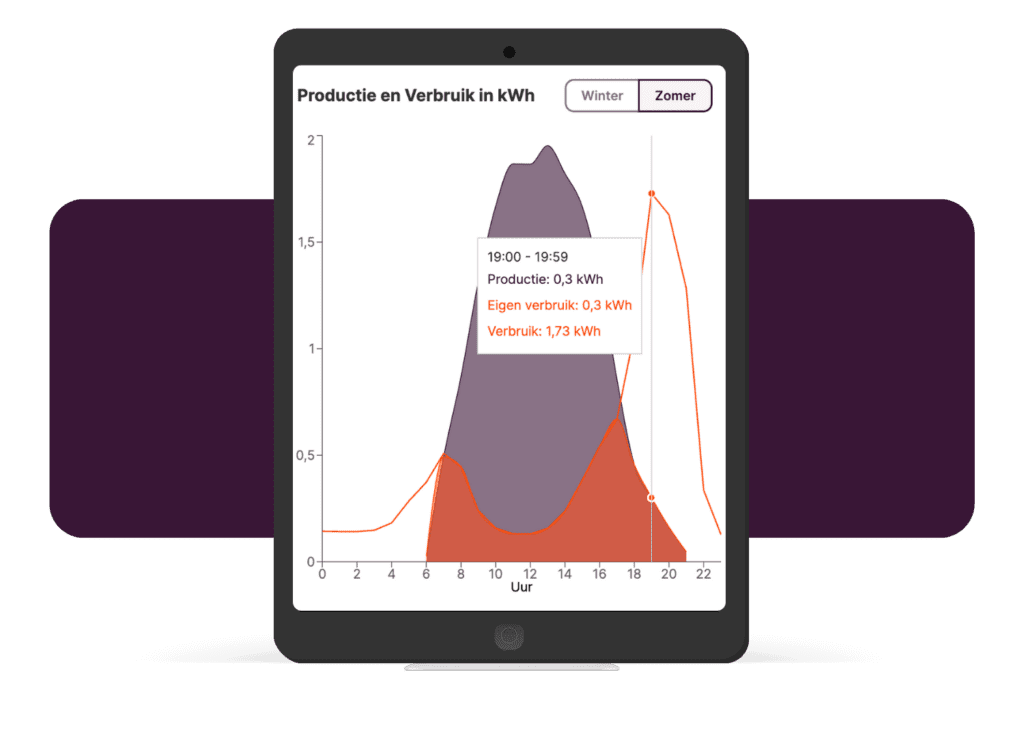
In Solar Monkey, we also take a close look at when Wilma’s solar energy is generated. You can clearly see how production compares to her own consumption. Unfortunately, it becomes clear that the main peak in jacuzzi usage falls outside the solar generation hours.
That’s a shame. During the day, Wellness Wilma has to feed her generated energy back into the grid (and will likely receive little compensation once net metering ends). In the evening, she then has to draw expensive electricity from the grid, which is exactly what she wants to avoid (“I may look like a wrinkled earthworm every evening, but I’m not fighting with my money”).
In this scenario, Wilma’s energy autonomy is also only 24%, which means that just 24% of her required energy comes from her own solar production. That can be improved. Which is why Jesse looks at the combination of solar panels and a home battery in the next scenario.
2b: home battery
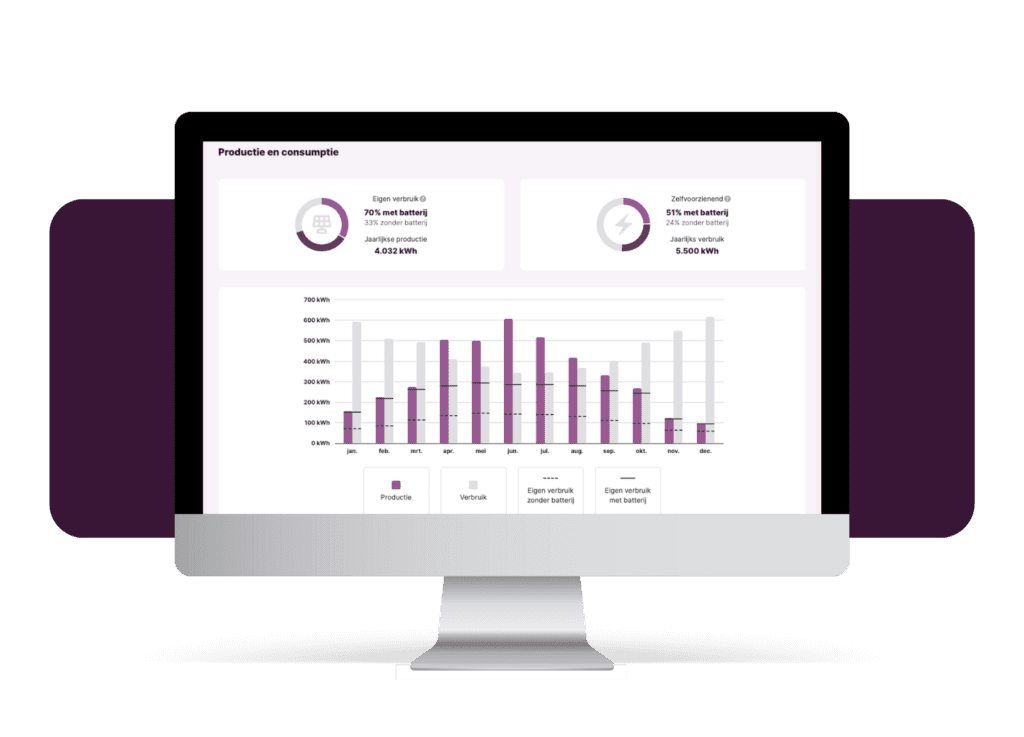
What would happen if Wilma installed a home battery? With a 5 kWh SigenStor battery, her energy autonomy more than doubles, from 24% to 51%. Self-consumption also increases significantly, from 33% to 70%.
(Want to know more about the difference between self-consumption and energy autonomy? Check out this article.)
That makes perfect sense: her daily jacuzzi session can now be powered largely by the battery. This means Wellness Wilma no longer has to draw expensive electricity from the grid during peak evening hours.
Naturally, Jesse immediately recommends a dynamic energy tariff, so the battery always charges when electricity is cheapest (in addition to free solar energy) and discharges at the most expensive moments, for example during the evening peak, while Wilma is enjoying her jacuzzi.
2c: Battery only
And what if Wilma were to install only a battery? Jesse finds that she could still save some money, about €226 per year compared to her current situation. But she would still be paying relatively high energy costs overall. And that’s money wasted (“I work hard for my good money”).
It’s the combination with solar panels that really delivers value. So while it’s good that Jesse calculated this scenario, it’s not something we would recommend.
Step 3: Comparing the options
To give Wellness Wilma the clearest possible overview of her options, Jesse compares the outcomes in a clear, easy-to-understand summary. This allows him to provide the best possible advice.
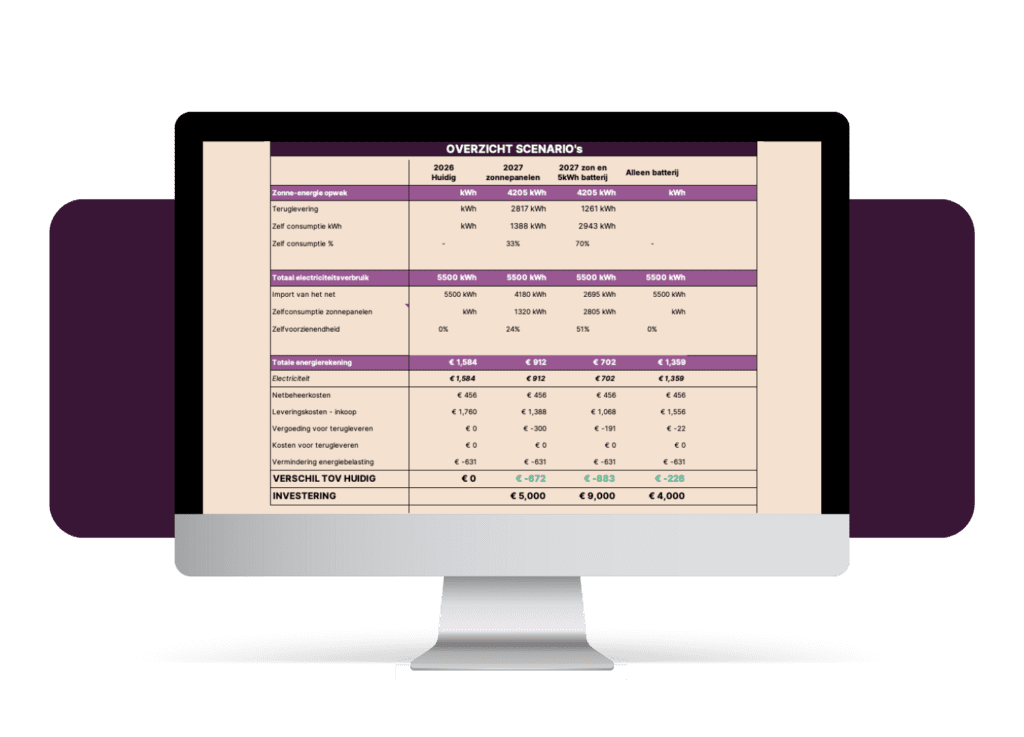
We can see that Wilma can save €672 per year on her energy bill by installing 10 solar panels. This requires a one-time investment of around €5,000. Wilma could also choose to finance the system, which would cost her approximately €700 per year, including repayments. In other words, it’s almost cost-neutral! And after that, she can enjoy annual savings of €672 for many years to come. A great deal!
If she also installs a 5 kWh home battery, her energy bill drops even further. The investment increases to €9,000 instead of €5,000, but her self-consumption rises to 70% and her energy autonomy to 51%. This results in annual savings of €883. And here too, once the investment has been paid off, she can benefit from nearly €900 per year in lower energy costs for many years. That’s true wellness, even for your wallet! 😉

Would you also like to advise someone like Wilma effectively? Create your Solar Monkey account now and try it out yourself!